Introduction
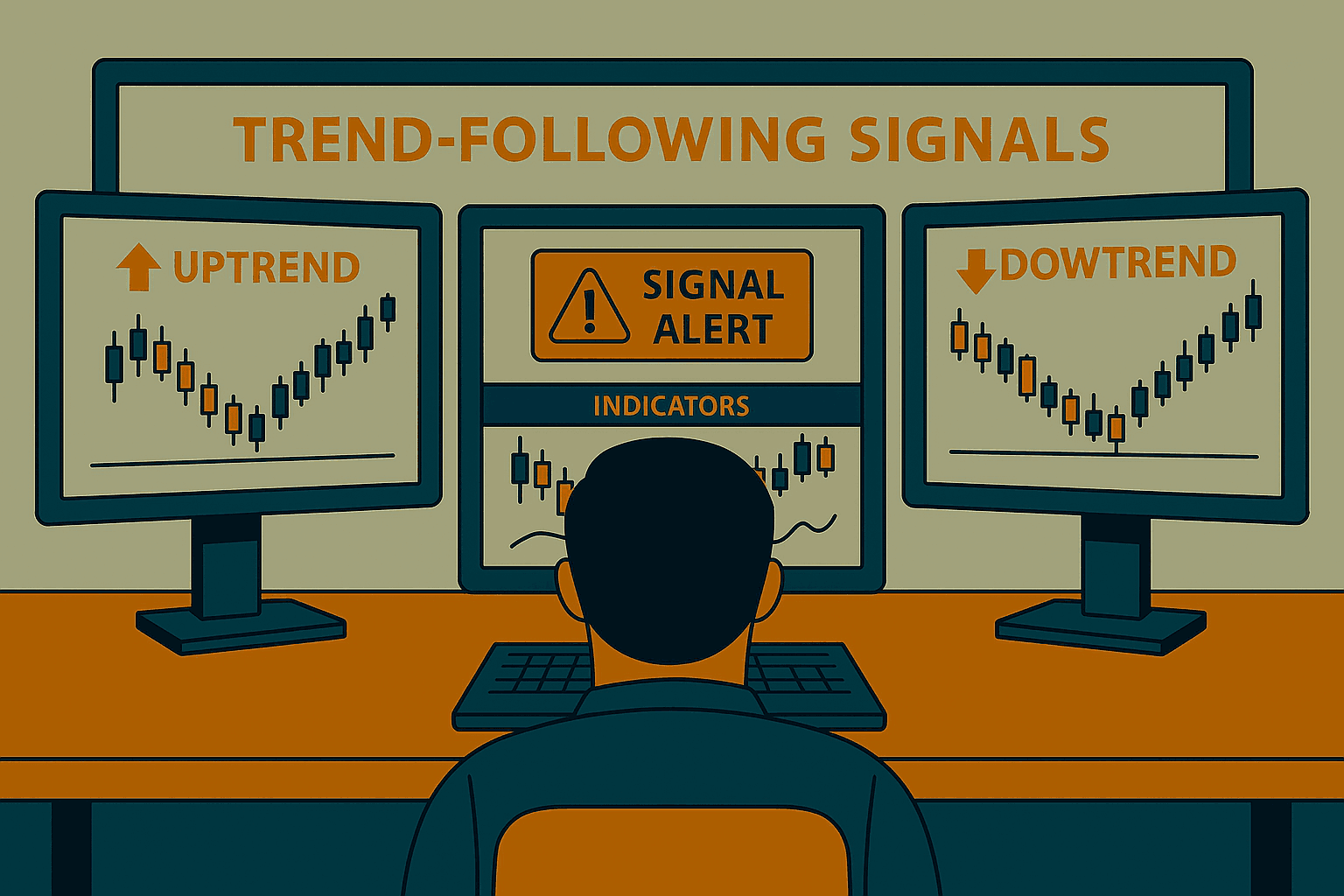
In the world of forex trading, identifying and riding market trends is a time-tested strategy. Trend-following signals are designed to detect the start, continuation, or end of a trend helping traders make informed decisions and stay on the right side of market momentum. But how exactly are these signals generated? Let’s break it down.
What Are Trend-Following Signals?
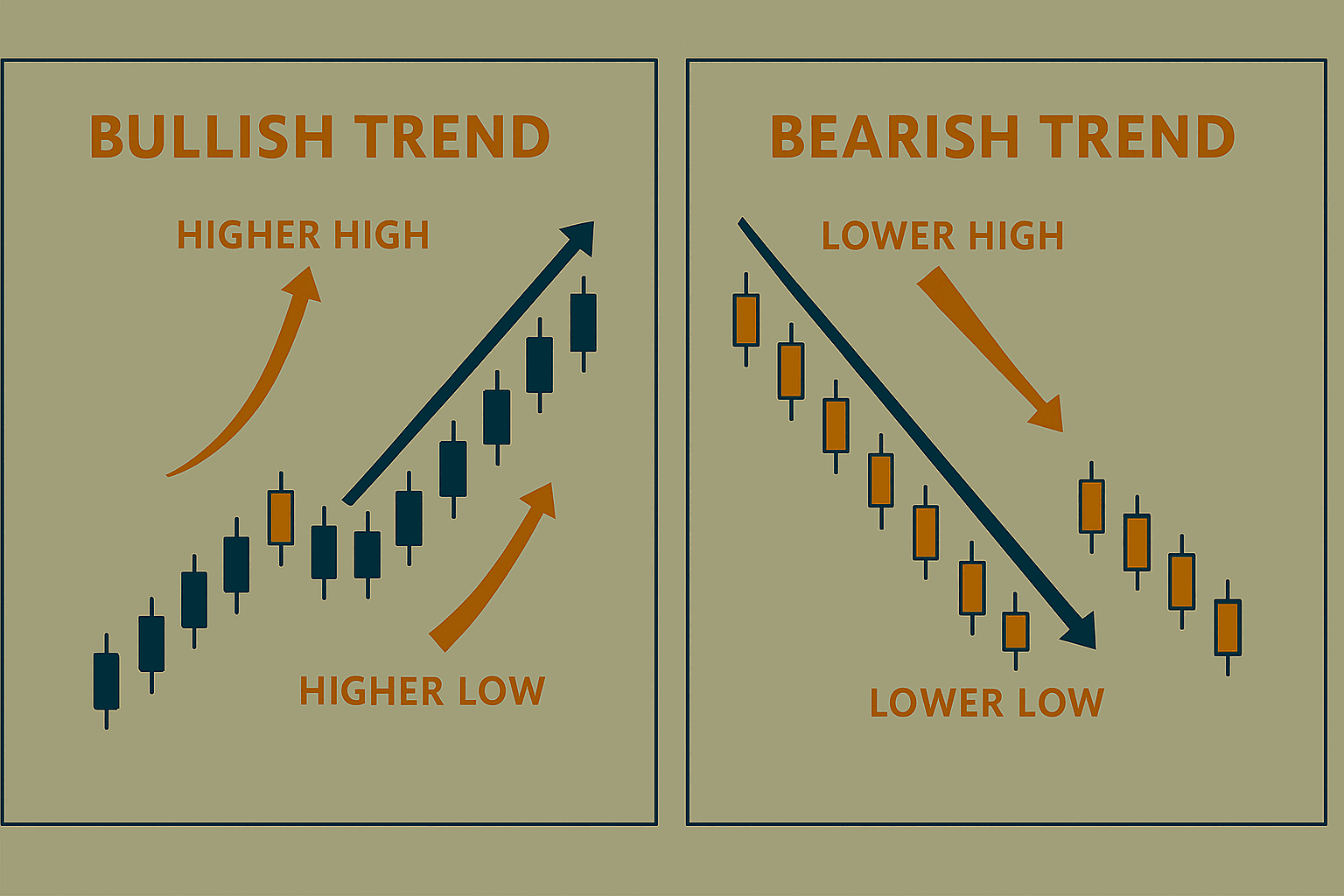
Trend-following signals are trading cues based on the idea that prices tend to move in persistent directions either up (bullish) or down (bearish) for a period of time. These signals aim to capture profits by entering trades in the direction of the prevailing trend and exiting before it reverses.
Key Tools Behind Trend-Following Signals
Here are the core components used to generate reliable trend-following signals:
1. Moving Averages
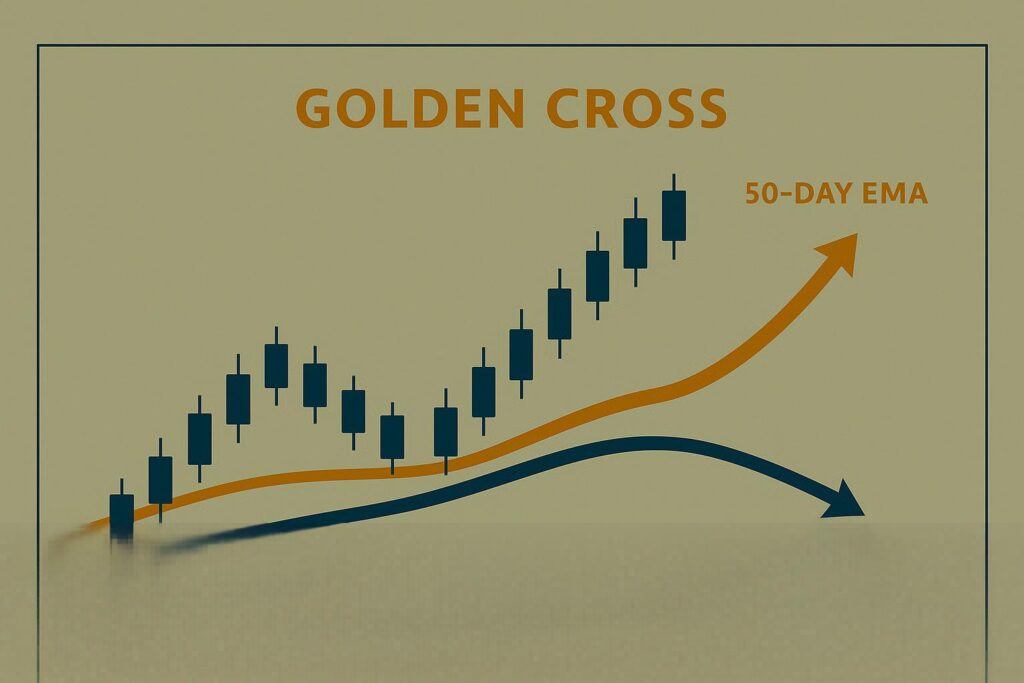
One of the most widely used tools. Common types include:
- Simple Moving Average (SMA): Smooths out price data over a specific period.
- Exponential Moving Average (EMA): Gives more weight to recent prices.
Signal Generation Example:
A buy signal is generated when the 50-day EMA crosses above the 200-day EMA (known as the “Golden Cross“).
2. ADX (Average Directional Index)
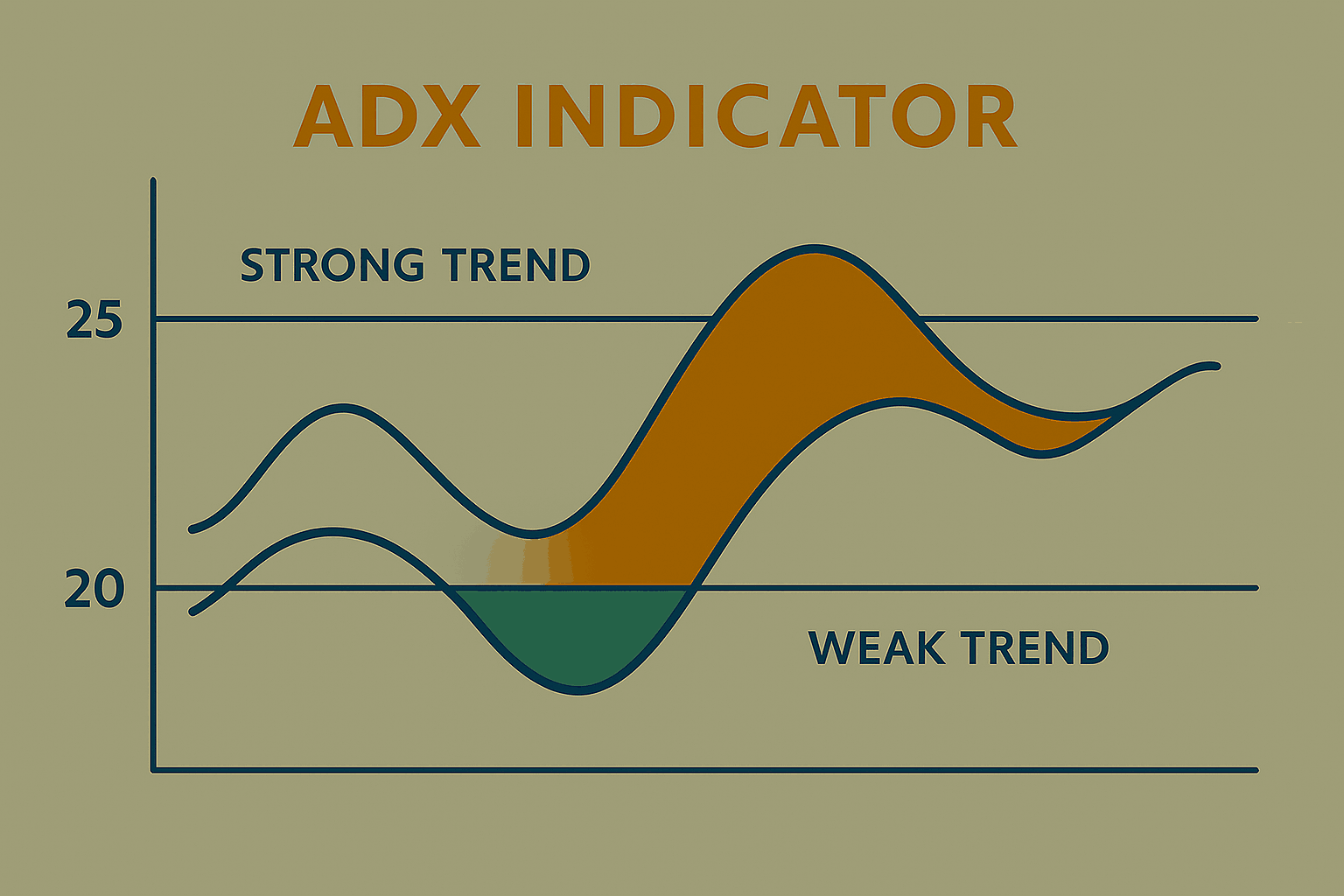
This indicator measures the strength of a trend, not its direction.
- Above 25 = Strong trend.
- Below 20 = Weak or sideways market.
Use: Filters out signals in choppy, non-trending markets.
3. Price Action Patterns
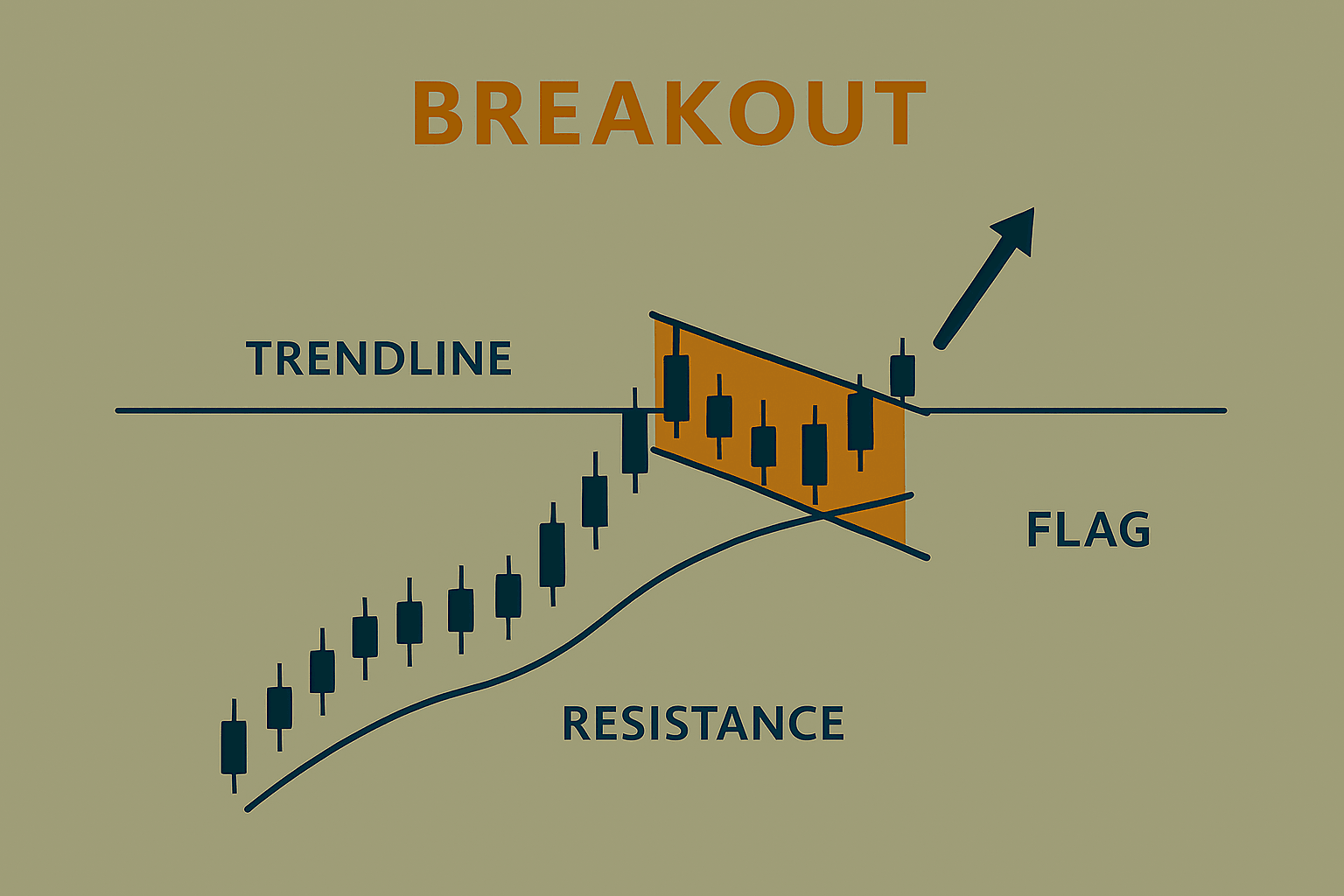
Higher highs and higher lows typically indicate an uptrend, while lower highs and lower lows signal a downtrend.
Signal Insight: Traders use breakout patterns (e.g., trendline breaks, flag patterns) to confirm trend continuation.
4. Volume Analysis
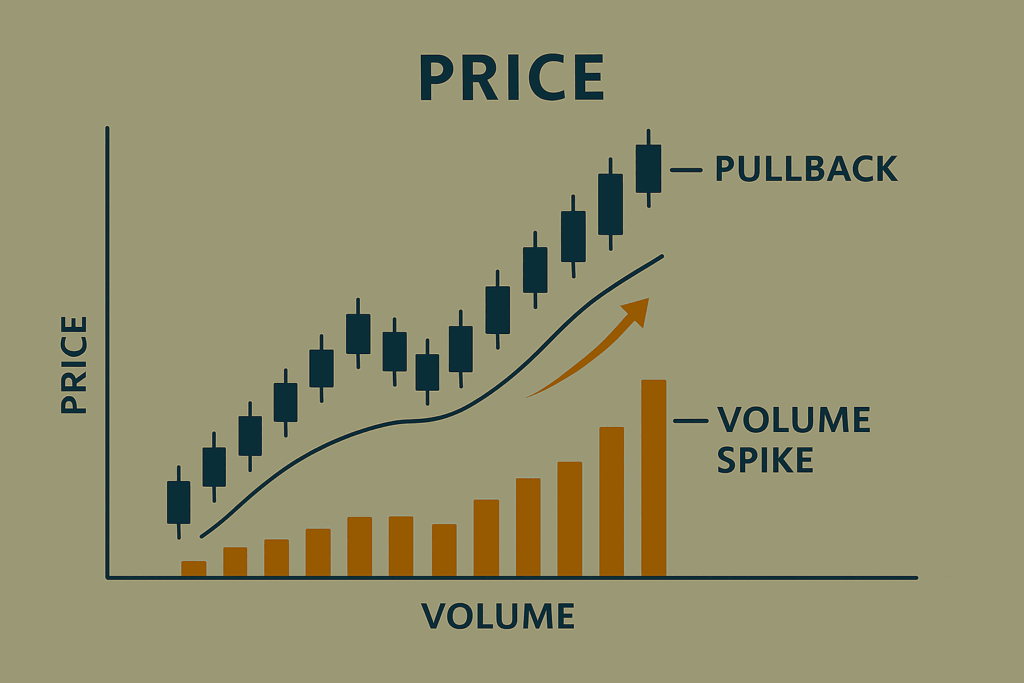
Volume increases during strong trends and fades during pullbacks or fakeouts.
Why It Matters: Confirmation from volume helps validate whether a breakout or trend reversal is genuine.
How Signals Are Triggered in a System
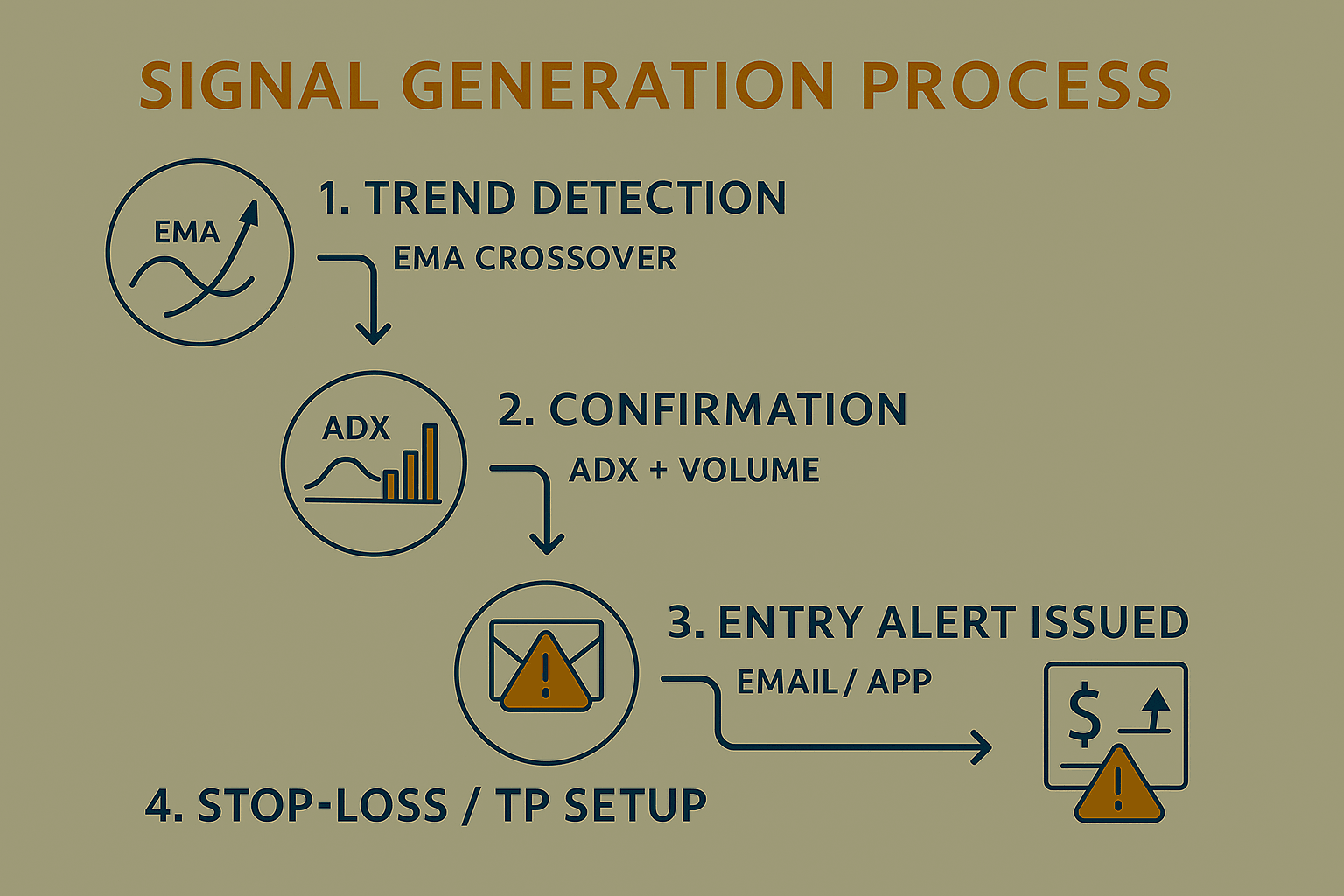
Let’s say a signal service uses a trend-following strategy. Here’s a simplified breakdown of what happens under the hood:
- Trend Detection Phase
- The algorithm scans for crossover between EMAs.
- ADX is checked to ensure trend strength.
- Signal Confirmation
- Volume spike confirms momentum.
- Price structure (e.g., higher highs) is validated.
- Entry Signal Issued
- Once conditions align, the system sends a buy/sell alert via the trading dashboard, email, or mobile app.
- Stop-Loss & Take-Profit
Pros of Trend-Following Signals
- Clarity: Clear rules and direction.
- Momentum-based: Capitalizes on strong moves.
- Less Noise: Filters out short-term market chaos.
Cons to Be Aware Of
- Late Entries: Signals often appear after trend has already started.
- Whipsaws in Ranges: Performance drops in sideways or consolidating markets.
Final Thoughts

Trend-following signals remain a cornerstone of many professional strategies for a reason they provide structure in a chaotic market. While not perfect, when combined with proper risk management and discipline, they offer a powerful edge.
If you’re just getting started or looking to refine your trading edge, understanding how these signals are generated is key. And with a reliable signal provider like SignalsGrid, you can tap into expertly generated alerts designed to follow the trend smartly and consistently.