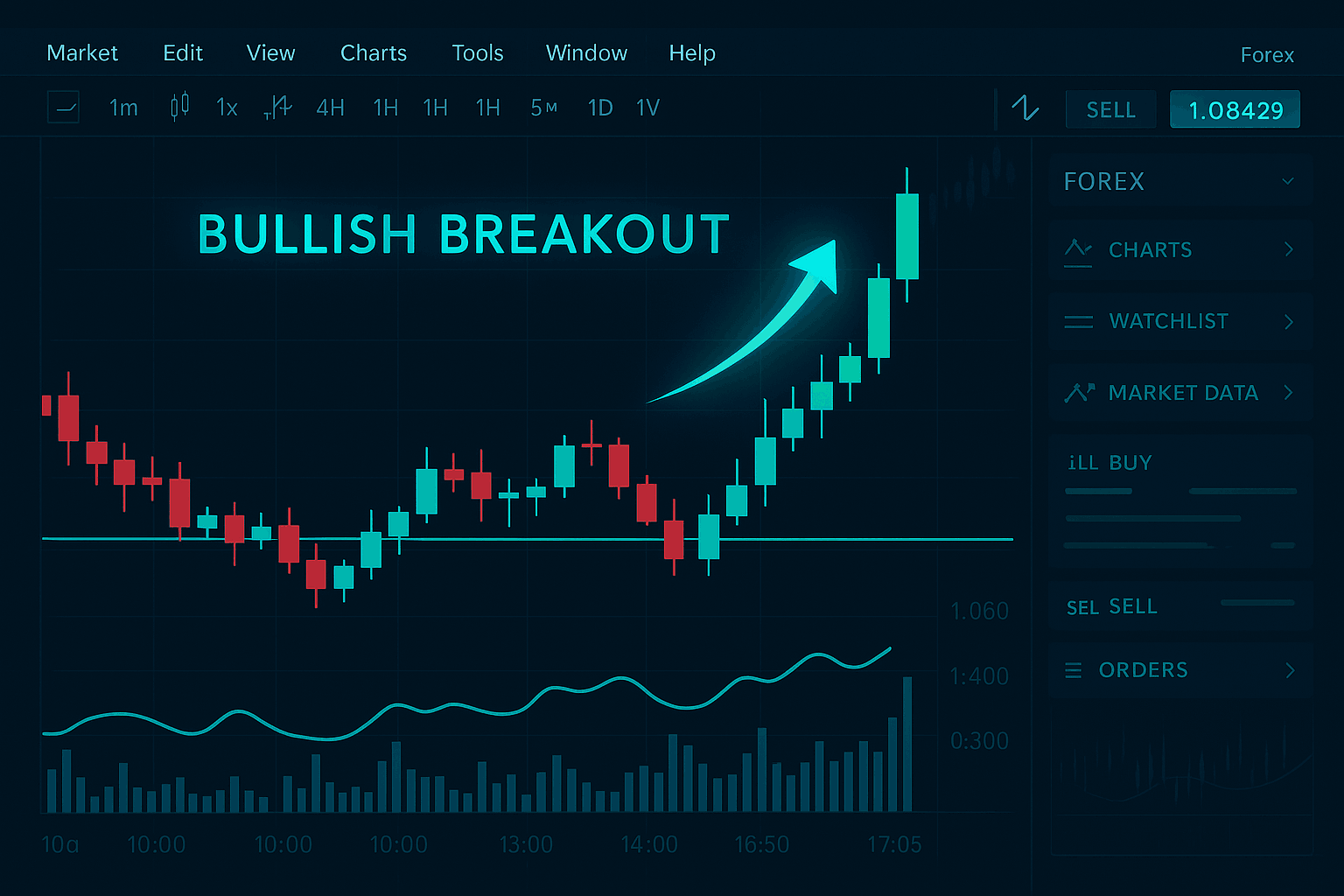
Introduction
Breakout strategies are exciting they aim to catch explosive price movements right as they start. But not every breakout is real. Many traders fall into the trap of entering too early, too late, or during a false move. So how do breakout signal systems work, and how can you know when to trust the entry? Let’s break it down.
What Is a Breakout Signal?
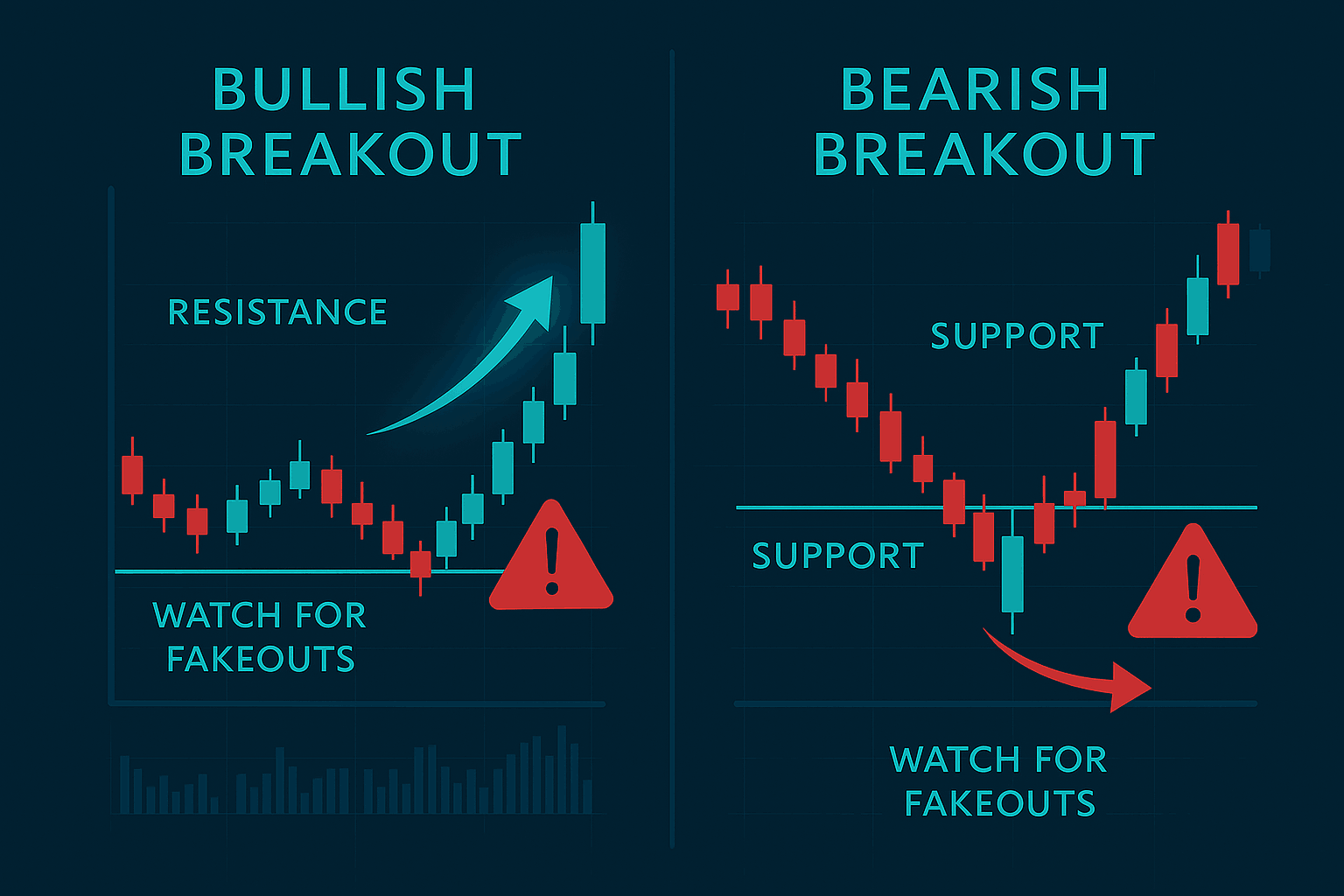
A breakout occurs when price moves decisively beyond a defined level of support or resistance often triggering a wave of momentum-driven trading.
- Bullish breakout: Price moves above resistance.
- Bearish breakout: Price drops below support.
Breakout signal systems aim to detect these movements early while filtering out false breakouts (also known as “fakeouts”).
Key Components of Breakout Signal Systems
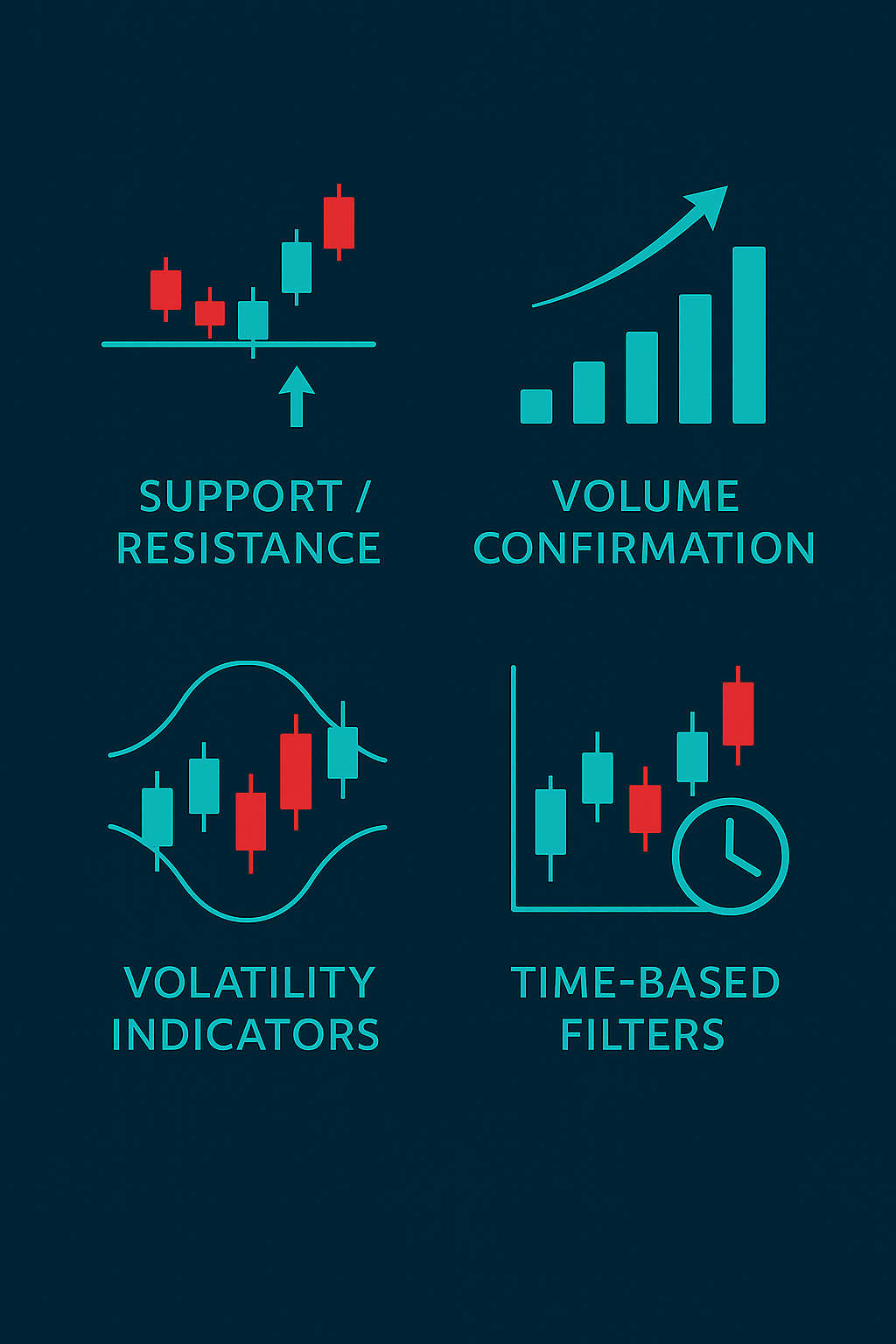
1. Support & Resistance Levels
These are the foundation of any breakout strategy. They can be:
- Previous highs/lows
- Consolidation zones
- Psychological levels (e.g., round numbers)
2. Volume Confirmation
Breakouts with strong volume are more likely to be valid.
Signal Tip:
Low-volume breakouts often lead to fakeouts or quick reversals.
3. Volatility Indicators
Tools like Bollinger Bands or ATR (Average True Range) help define breakout potential.
- Squeeze situations (tight Bollinger Bands) often precede explosive breakouts.
4. Time-Based Confirmation
Breakout systems often include a “time filter”, which waits for price to stay above/below the level for a few candles before confirming the signal.
How a Breakout Signal System Triggers an Entry
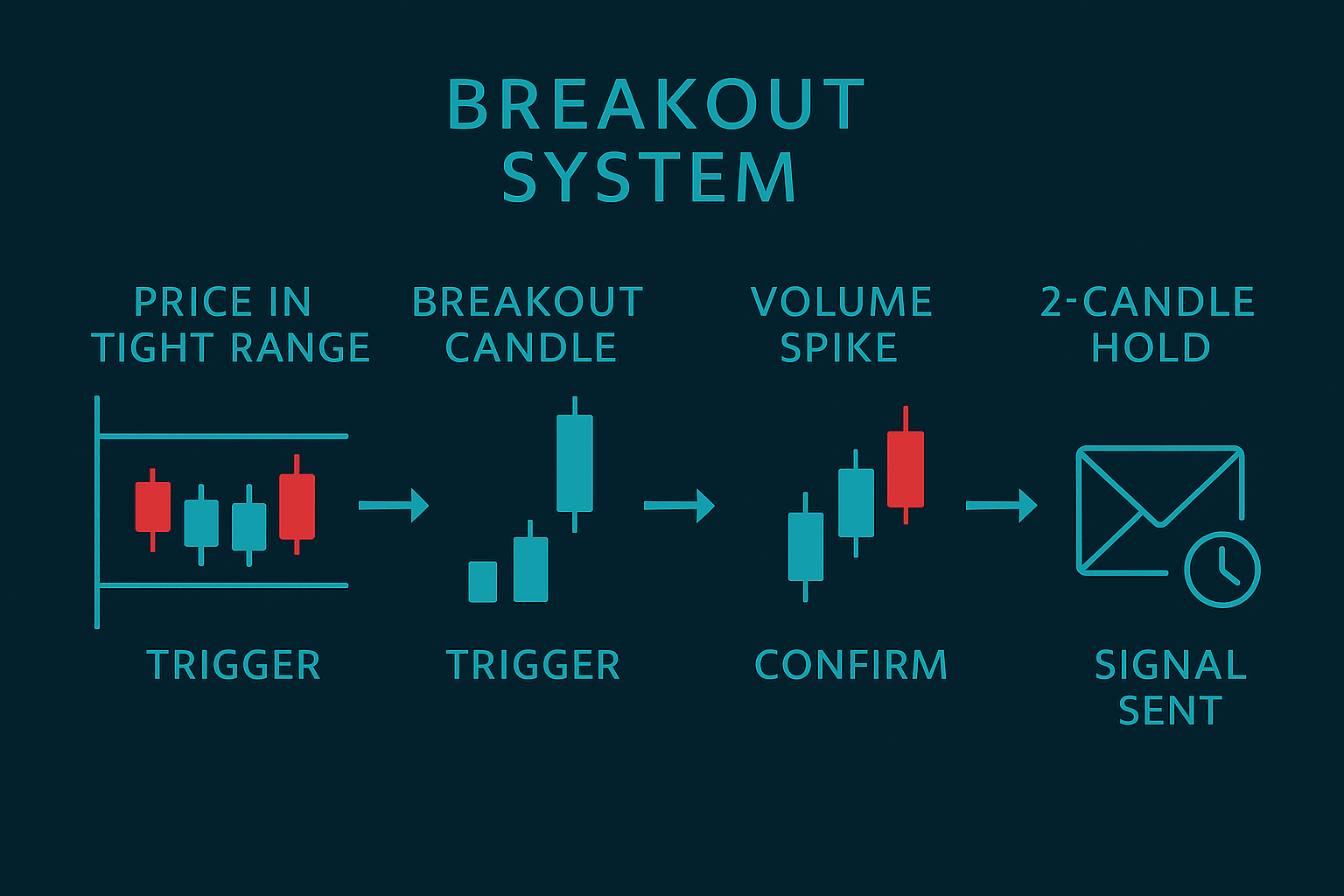
Let’s walk through a typical automated process:
- Range Detected
- Price consolidates within a tight band.
- Key levels (resistance/support) identified.
- Breakout Trigger
- Price breaches level + volume spike + momentum candle.
- Confirmation Window
- Price holds beyond the breakout point for a set time (e.g., 2 candles).
- Optional filters: RSI above 50, MACD bullish cross, etc.
- Signal Sent
- If conditions persist, the system sends an entry alert.
- Stop-Loss & Take-Profit Logic
- Stop placed below breakout level (bullish) or above (bearish).
- Targets set using recent range size, Fibonacci levels, or risk-reward ratio.
When Not to Trust a Breakout
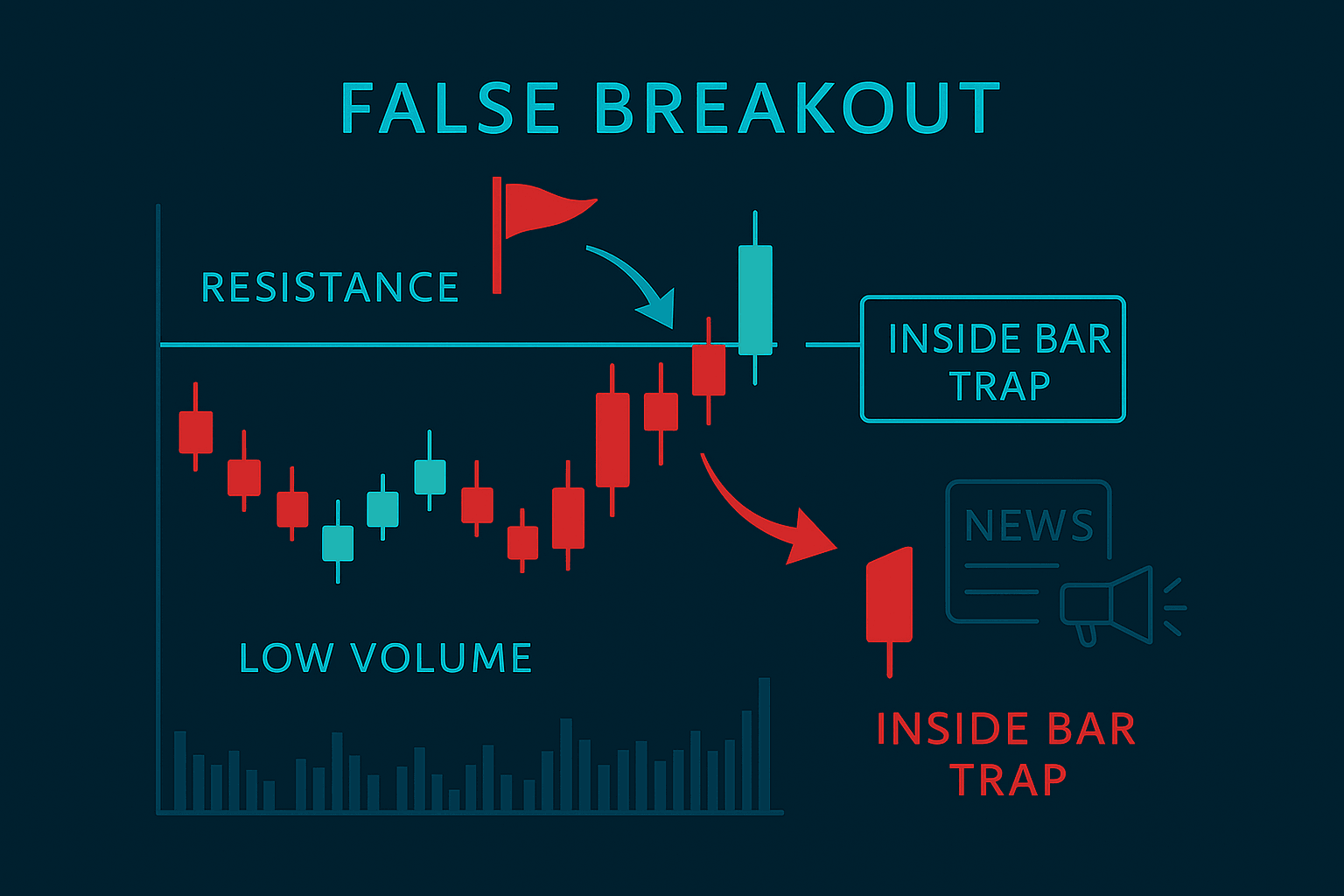
Even strong systems need caution. Watch out for:
- News Events: Price may spike on news, only to reverse quickly.
- Low Volume: Breakouts on low volume lack conviction.
- Inside Bars or Traps: Breakouts without a proper buildup may fail.
Bonus Tip: Look for multiple confirmations (e.g., moving averages, momentum, structure) to build confidence in the entry.
Breakout Strategy Example
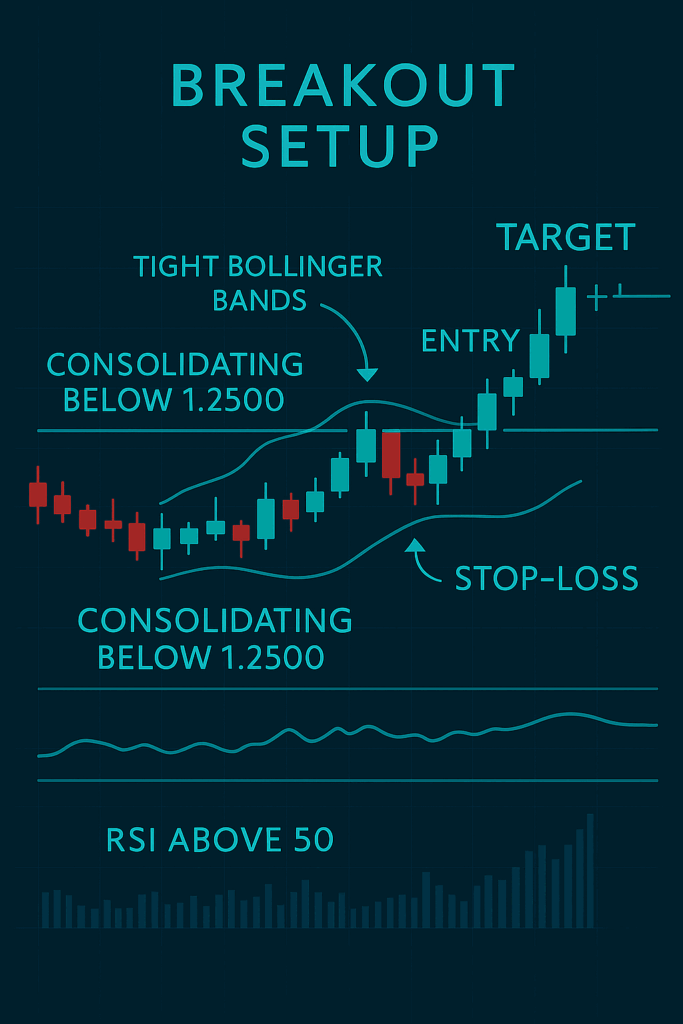
Setup:
- Price consolidating below a resistance at 1.2500
- RSI above 50, volume building, Bollinger Bands tightening
Breakout:
- Price breaks 1.2500 with a bullish candle + volume surge
- System waits 2 candles for confirmation
- Signal triggers long entry with stop at 1.2465, target 1.2580
Final Thoughts
Breakout signal systems are powerful when applied with precision and patience. The key isn’t just spotting the breakout it’s knowing when to trust it. Volume, structure, confirmation time, and indicator confluence can make all the difference between a winning entry and a whipsaw loss.
At SignalsGrid, our breakout models use advanced filters to isolate real moves from market noise so you get high-conviction alerts backed by data.